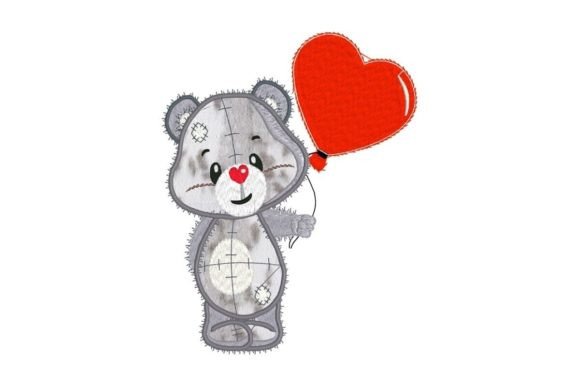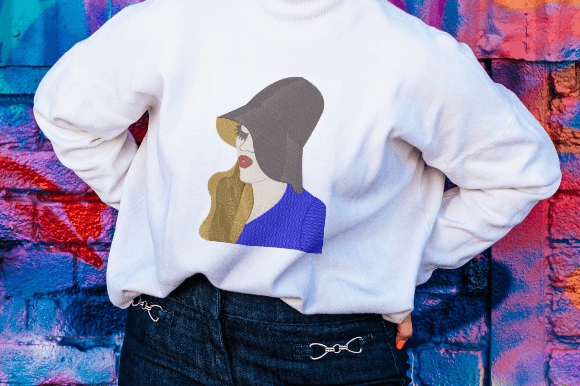
Emma
A Heartfelt Embroidery Design for Personalized Gifts
As an experienced embroidery designer, I’ve had the pleasure of testing many machine embroidery designs for use in personalized gift products. Emma stood out from the start—not just for its visual appeal, but for the emotional resonance it carries. This design is more than a pattern; it’s a story waiting to be stitched into fabric.
The First Impression: A Warm and Handmade Feel
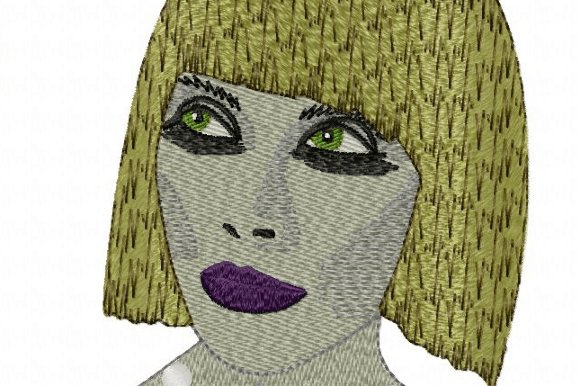
When I first opened the embroidery file for Emma, I was immediately struck by its charm. The design exudes a gentle, sweet vibe that feels both timeless and personal. It has a soft, handcrafted quality that suggests care and attention to detail. Whether you're looking for a handmade product or a personalized gift, Emma is the kind of design that invites connection.
The stitch density is just right—neither too tight nor too loose. Each stitch contributes to the overall texture, making the design feel like a real piece of art rather than a mass-produced item. The emotional appeal is strong, especially for those who value custom embroidery as a way to create meaningful memories.
Where Emma Shines: From Baby Items to Wedding Keepsakes
Emma is incredibly versatile. It can be used on a wide range of accessories and embroidery projects, including:
- Baby embroidery: Perfect for nursery items like blankets, pillow covers, and aprons.
- Wedding gifts: Ideal for custom tote bags, towels, and keepsake items.
- Family keepsakes: Adds a personal touch to custom tote bags and embroidered towels.
- Personalized towels: Works well with thread colors that complement the fabric.
- Nursery decor: Can be applied to pillow covers, wall hangings, and baby blankets.
- Custom order previews: Great for Etsy sellers and small shop owners looking to showcase their craft.
Whether it's a digital embroidery file for an Etsy listing or a printable mockup for a custom order preview, Emma offers a level of detail that elevates the finished product.
Considerations for Use: When to Be Careful
While Emma is a beautiful design, there are certain applications where extra care is needed:
- Small lettering: Ensure the font size is appropriate for the fabric type and intended use.
- Delicate details: These may not show up well on thick or textured fabrics.
- Textured fabric: Test on a scrap before applying to ensure the design remains clear.
- Thick towels: May require additional stabilizer to prevent puckering.
- Stretchy baby clothes: Consider using a hoop size that accommodates movement without distorting the design.
- Curved surfaces : Check how the design flows around edges, especially on items like pillow covers.
- Dark fabric: Use contrasting thread colors to maintain visibility and impact.
- Products that need frequent washing: Opt for durable thread and proper stabilizer to ensure longevity.
These considerations help ensure that Emma performs well across different commercial embroidery applications while maintaining its artistic integrity.
How Emma Enhances Giftability and Perceived Value
One of the most compelling aspects of Emma is its ability to elevate the perceived value of a personalized gift. Customers are often drawn to designs that feel unique and thoughtfully crafted. Emma achieves this through its handmade product aesthetic, which resonates deeply with those seeking authentic, meaningful items.
From a business perspective, Emma supports small shop product offerings by providing a high-quality, marketable design that can be easily integrated into various finished product lines. Its versatility makes it ideal for custom embroidery projects, whether for Etsy sellers, local gift shops, or online retailers.
Additionally, Emma enhances customer trust by offering a design that feels personal and intentional. When customers see a machine embroidery design that reflects their own values, they are more likely to engage with the brand and make repeat purchases.
Practical Embroidery Tips for Using Emma
To get the best results when working with Emma, follow these practical tips:
- Test on scrap fabric: Always check the design on a sample before applying it to your final project.
- Check thread color contrast: Ensure the thread colors stand out against the background fabric.
- Confirm hoop size: Choose a hoop that fits the design comfortably without stretching or distorting.
- Review stitch density: Adjust settings if necessary to maintain clarity and detail.
- Use proper stabilizer: Especially on stretchy or delicate fabrics to prevent puckering.
- Compare light and dark fabric mockups: Ensure the design looks good on both types of fabric.
- Check small details after stitching: Look closely for any missed stitches or inconsistencies.
- Confirm commercial licensing: Make sure the design is suitable for resale before using it on customer orders.
By following these steps, you’ll be able to deliver a handmade product that meets both your standards and your customers’ expectations.